
At 100 km/h, the interior noise of most helmets exceeds 100 decibels. Sustained exposure at this sound pressure level causes irreversible hearing damage. The more immediate effect: noise accelerates fatigue accumulation, and after two hours of long-distance riding your judgment begins to decline. Wind noise control is not a comfort feature — it is a safety feature.
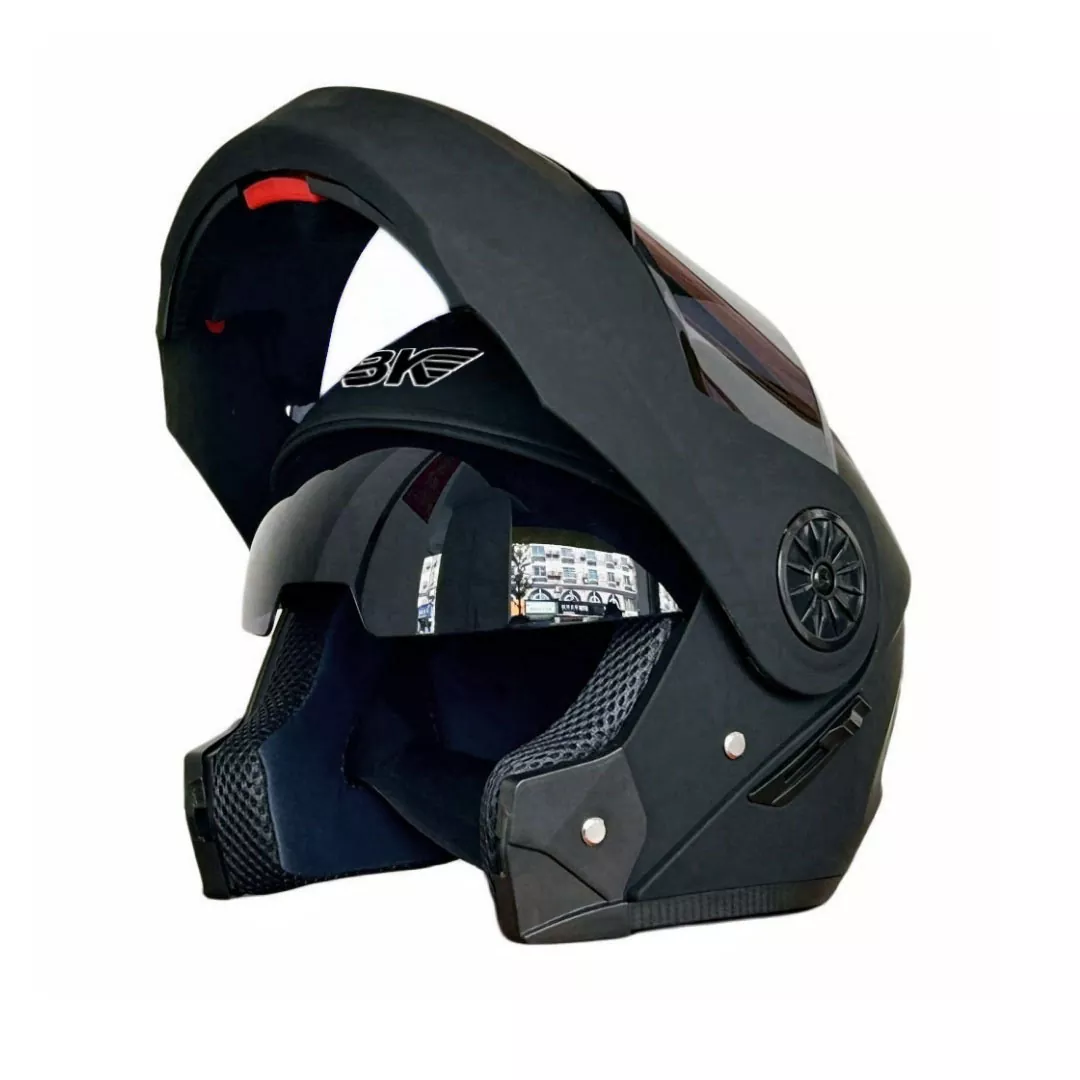
Wind noise inside a helmet doesn't have just one culprit. It really comes down to three main sources. First, there's the friction of air scraping across the seams where the visor meets the shell—even tiny gaps there can whistle and hiss at speed. Second, turbulent air blasts up from underneath, right around the chin area, creating a chaotic, thumping rush. And third, you've got that deep, low-frequency booming caused by airflow separation as the wind peels away from the rear of the helmet. Generally speaking, the smoother and more rounded the shell shape, and the fewer seams it has, the less wind noise you'll end up dealing with. Abrupt ridges and aggressively styled air intakes on the top of a helmet may provide ventilation at low speeds, but at high speeds they become noise amplifiers.
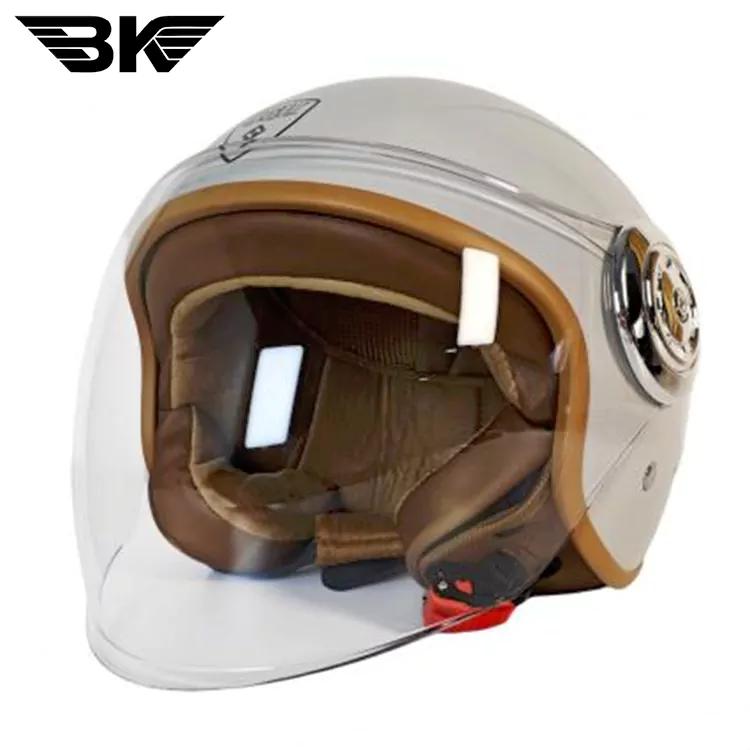
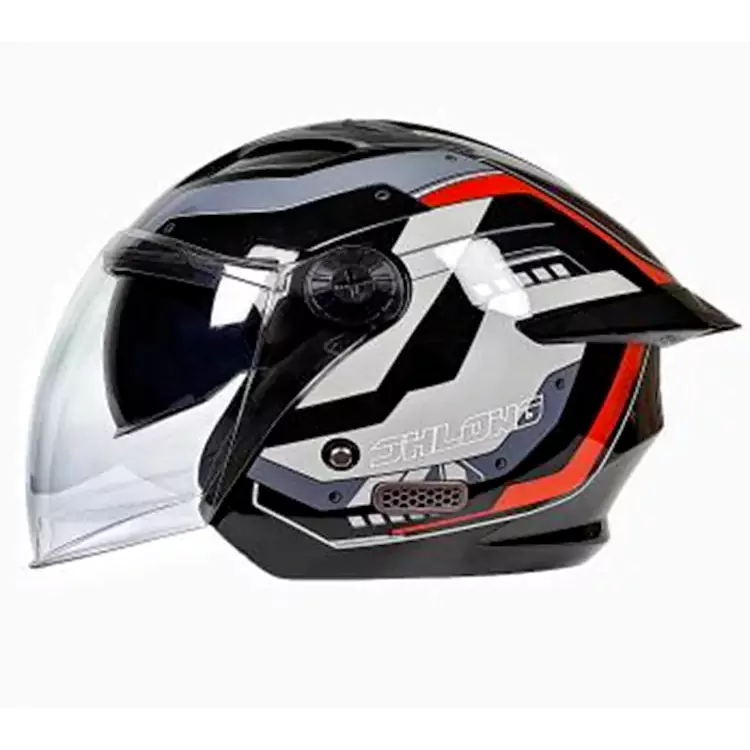
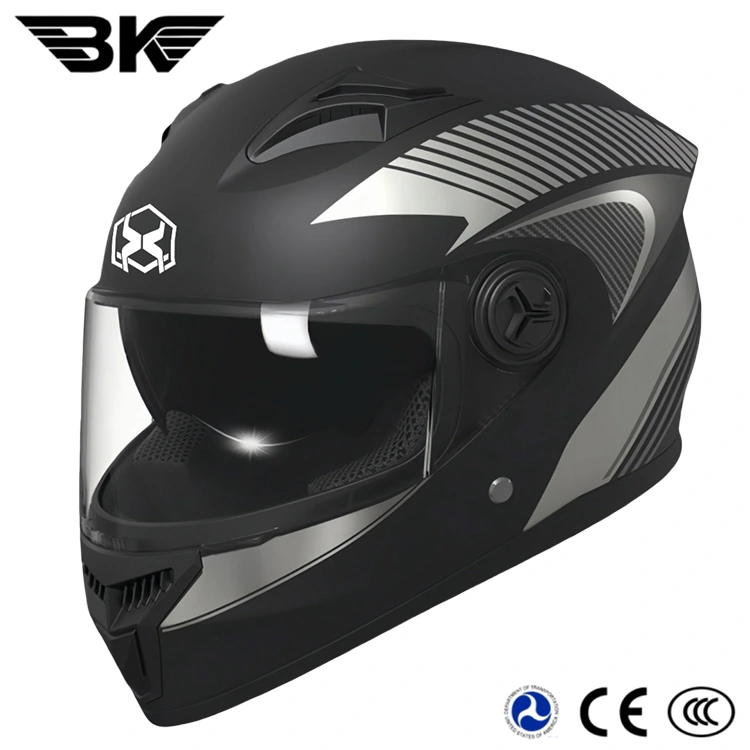
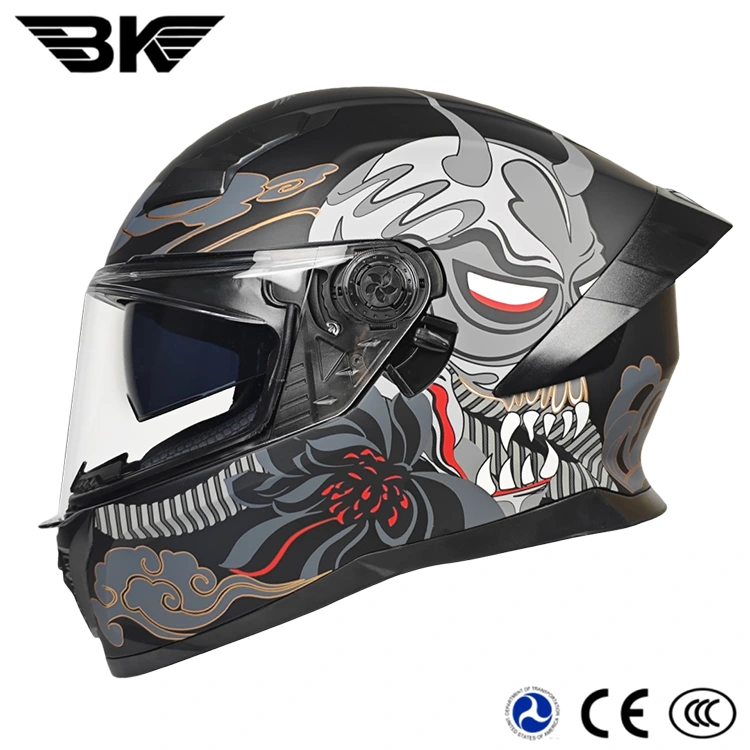
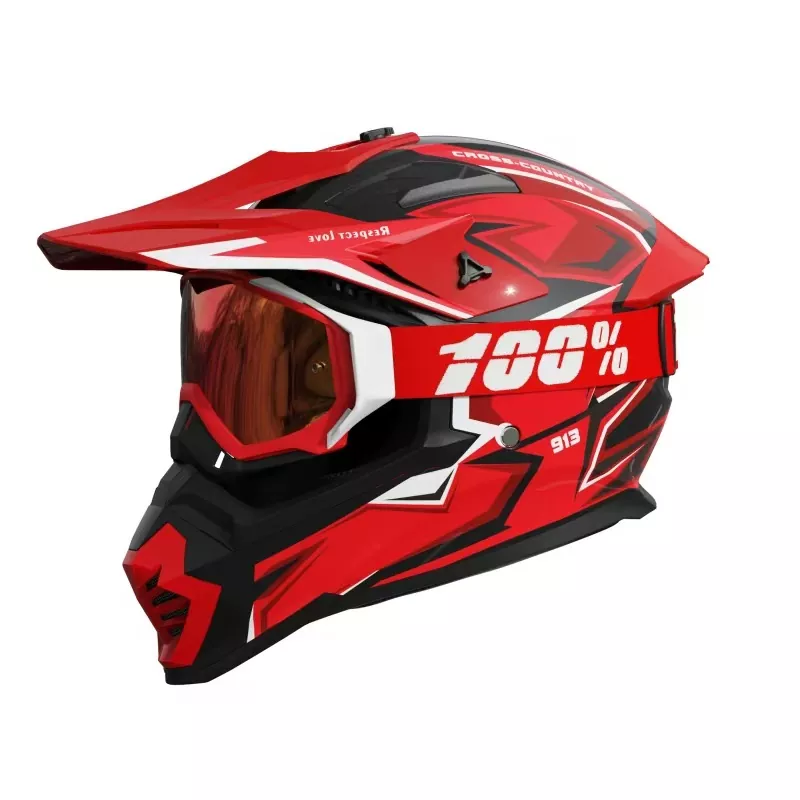
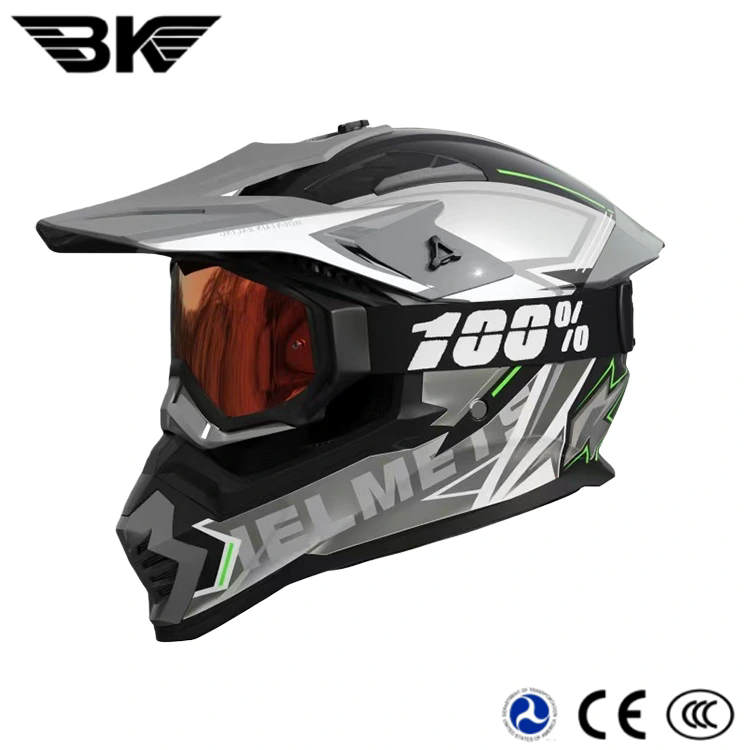
Full-face helmets, because they wrap the head most completely, have the best inherent foundation for wind noise control, yet the gap between different brands can exceed 10 decibels. The chin bar flipping mechanism on modular helmets is a natural source of extra wind noise, producing 3 to 5 decibels more than a full-face at the same speed. Three-quarter helmets leave the face fully exposed, so wind noise strikes the ears directly with no shielding. Off-road helmets, with their peaks and large ventilation openings, generate tremendous wind shear noise at high speeds — they are the loudest type for street use.
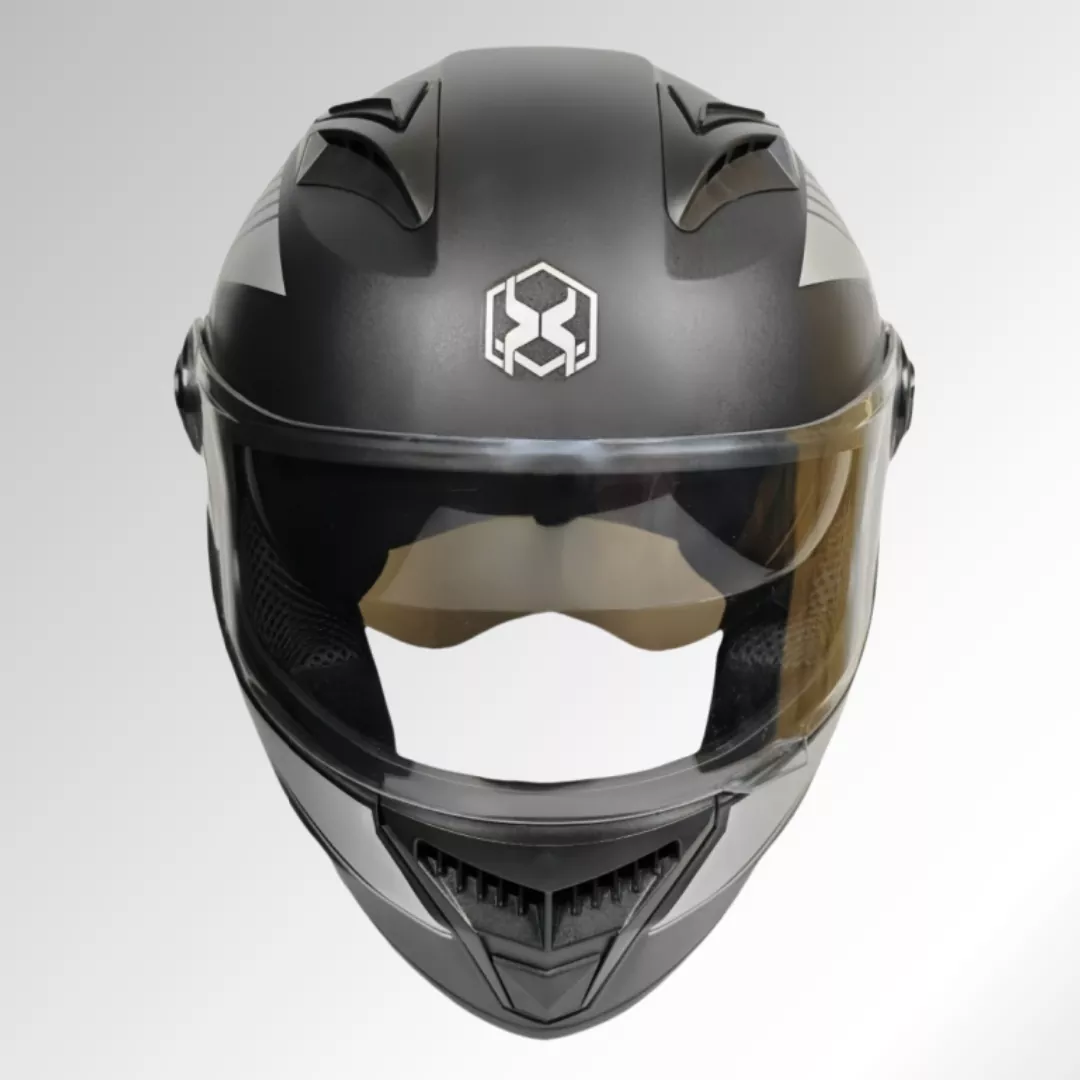
You cannot measure noise by trying on a helmet in a store. Rely on three avenues: check professionally measured decibel data in reviews; inspect whether the sealing strip makes uniform contact once the visor is closed; and observe the wind-blocking design at the bottom of the helmet — models with a thickened neck roll typically deliver better quietness. If you can clearly feel air rushing in from under the chin while trying it on, that spot will form a noise source at high speed.
Here's the thing about helmet design: quietness and ventilation are natural enemies. The more vents you add, and the bigger you make them, the more air gets rammed through—which sounds great in theory—but all that extra airflow brings a serious noise penalty. Wind rushing past those openings turns into a constant roar at speed. A lot of newer riders put way too much weight on how breezy a helmet feels and not nearly enough on how badly persistent noise can mess with them. We're not just talking about a minor annoyance here; long exposure to high-decibel wind roar leads to faster fatigue, reduced concentration, and over time, genuine hearing damage. Unless you happen to live somewhere with blistering heat all year round and spend nearly all your miles puttering around at low city speeds, you're better off reaching for a helmet that balances things out—think moderate ventilation tuned specifically for a quieter ride. That approach pays off the most for long-distance touring riders, who are stuck inside that helmet for hours on end, battling constant wind hum at highway pace. For them, a calmer, less noisy interior isn't a luxury; it's what keeps the mind sharp and the ride enjoyable mile after mile.
A helmet that's genuinely quiet won't shut you off from everything happening around you—it's more about keeping your head clear and your focus sharp during those final, draining miles of a long haul. That's why, when you're sizing up a new lid, wind noise deserves the same weight as heft and safety. Not as an afterthought, but as an equal partner in the decision. Your ears, and just as importantly your ability to stay locked in on the road, will pay you back for every good call you make at the buying stage.
But here's the part a lot of riders push back on: no matter how impressively silent a helmet's marketing says it is, once you're rolling past 80 km/h, foam earplugs aren't a luxury add-on. They're straight-up necessary if you plan to keep your hearing intact. And not just any foam plug—you want filter-type earplugs that are purpose-built for motorcycling. The smart ones knock down that deep, low-frequency thrum of constant wind roar that grinds you down over hours, but they still leave a clear lane for higher-frequency sounds you genuinely need: horns, sirens, the hum of a nearby car engine. Reaching for earplugs doesn't mean your helmet failed. It's simply admitting that physics won't bend for anyone. Wind hammering a shell at highway pace will always stir up noise; that's just air being air. The smart play is to handle it at the ear, not just at the helmet.
A truly quiet helmet doesn't shut you off from everything happening around you—what it really does is keep your head clear and your focus sharp through those last exhausting miles of a long ride, when fatigue is doing its best to creep in. So when you're weighing up which helmet to buy, don't treat wind noise as some minor afterthought. Put it right up there alongside weight and safety—same level of importance, same scrutiny. Your ears, and your ability to stay locked in on the road ahead, will pay you back for every smart call you make at the buying stage.
Ningde Chief Pigeon Technology Co., Ltd. offers multiple high-performance helmets with aerodynamically optimized designs, striking a careful balance between ventilation and quietness. Contact us now for professional helmet selection guidance, and find the model that allows you to ride calmly and quietly.